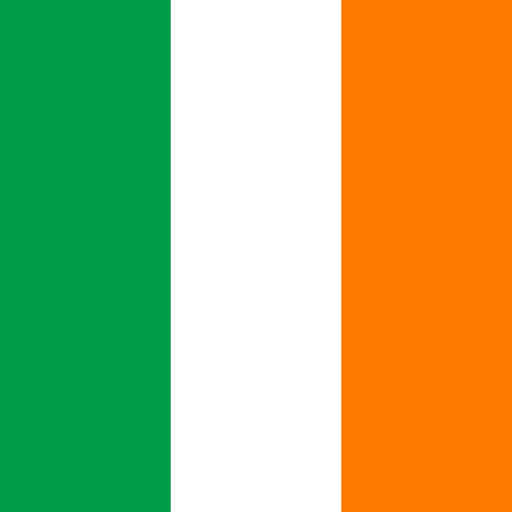
 Ireland
 Finland
 Germany
 Canada


Lorem ipsum dolor sit amet, consectetur adipiscing elit. Maecenas vehicula, lacus eget auctor fermentum, leo est scelerisque enim, a auctor risus enim a ante.


In the US, gambling is at an all-time high. Should primary care physicians be more vigilant about gambling disorders, which medical professionals claim can result in physiological and psychological issues, given that alcohol and tobacco usage are declining?
A nationwide survey on gaming participation was issued this week by The Harris Poll, which was commissioned by the National Council on Problem gaming (NCPG).
Addiction to gambling is just as serious as addiction to alcohol or narcotics, according to nearly eight out of ten Americans (79%).
“What we’re seeing is that the majority of Americans recognize gambling addiction as a legitimate behavioral health issue,” said Heather Maurer, the executive director of the NCPG. “The next step is ensuring our public health systems, policies, and prevention strategies reflect that understanding.”
Nearly three out of ten respondents (29%) believed that excessive gambling has more detrimental effects than drug and alcohol abuse.
The patient usually discloses their personal routines, such as daily exercise, eating habits, and sleep schedules, during a routine examination with a primary care physician. In addition, doctors want to know if a patient uses any legal or illicit substances, smokes or chews tobacco, and consumes alcohol.
However, the patient is rarely questioned about gambling. Just 15% of Americans say a primary care physician has ever inquired about their gambling habits, according to the NCPG.
"This represents a significant missed opportunity for early identification and intervention. Gambling-related harm is often invisible until it becomes severe,” explained Maurer.
“Screening in healthcare settings can help normalize [gambling] conversations and connect people to support earlier,” Maurer added.
Financial harm is not the only consequence of gambling addiction. Problem gambling is associated with anxiety, sadness, and suicidal thoughts in addition to debt, bankruptcy, and asset losses.
Insomnia, headaches, stomach difficulties, and stress-related hypertension have all been linked to gambling disorders.
The fact that the American public is getting exposed to gambling at younger ages may be the sole further justification for the necessity of gambling screens in the medical area. According to a Harris Poll study, 65% of adults over the age of 21 had at least one gambling experience before to reaching legal drinking age.
Of those surveyed, 40% reported playing a lottery. With the exception of Arizona, Iowa, and Louisiana, which are all 21, and Nebraska, which is 19, the legal age to purchase a lottery ticket in the United States is 18.
Over 20% of the under-21 gamblers wagered illegally on sports on their phones or participated in illicit internet casinos. Nearly four out of ten (37%) reported gambling with friends.
“Youth are at significantly greater risk for developing gambling problems, and as gambling becomes increasingly normalized in media, sports, and online spaces, the risks grow,” said Maurer. “Prevention and education are essential to ensure young people, families, educators, and policymakers understand the potential harms and are protected from early exposure.”
Read some iteresting and relatable articles abaout casino.

18+. New players only. 100% bonus on first deposit up to £50 & 100 Bonus Spins (50 spins on day 1, 25 on day 2, 25 on day 3) for Book of Dead slot only. Min first deposit of £20. Max bonus £50. Max bonus bet £5. Max bonus cash-out £250. 40x wagering requirements. Bonus expiry 30 days. Bonus spins expire after 48 hours. Game restrictions apply. Further Terms Apply.